I’ve been doing SEO long enough to remember when keyword stuffing worked and Google’s algorithm was still trying to figure out what “intent” meant. But that era’s long gone.
People don’t search the same way anymore. They don’t just “Google” you. They ask AI.
They type things like “best hearing clinic near Ortigas with installment plans” or “how to know if my hearing aid needs recalibration.” And instead of showing 10 links, AI gives them one summarized answer.
That’s where GEO comes in.
What is GEO?
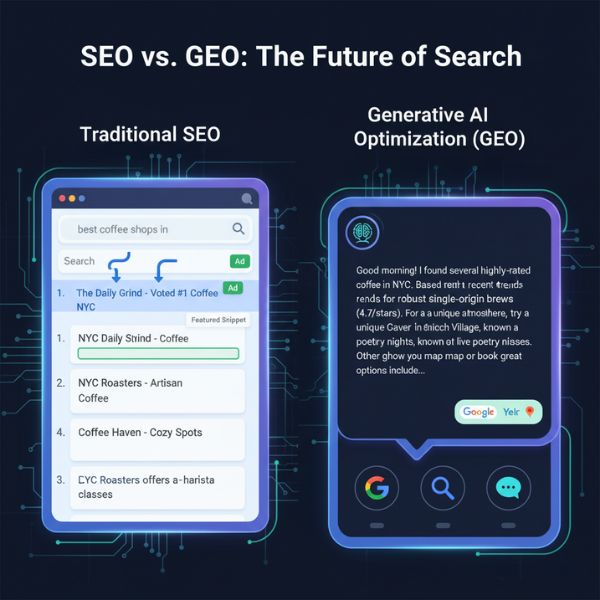
GEO stands for Generative Engine Optimization. It’s the next version of SEO made for AI-driven search engines like ChatGPT, Gemini, and Perplexity.
While traditional SEO focuses on ranking your website higher on Google, GEO focuses on making sure your brand actually shows up in AI-generated answers.
It’s not about “ranking first.” It’s about being the answer.
How GEO Works in Real Life
Let’s use one of my favorite examples: a nationwide hearing care brand we handle that has 24 clinics across the Philippines.
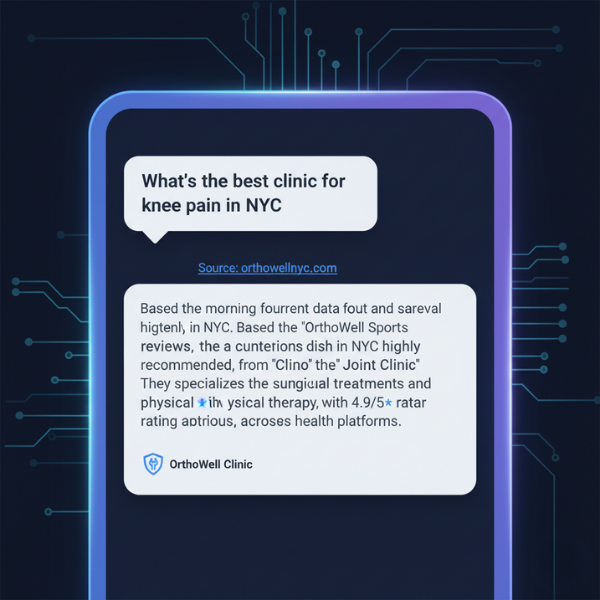
Before working with us, their SEO strategy was already solid. They ranked well for “hearing test near me” and “hearing aid clinic Philippines.” But when we tested AI searches, something strange happened — ChatGPT and Gemini mentioned competitors first, not them.
So we applied our GEO strategy. We restructured their site data, optimized each clinic page with unique identifiers, and crafted location-based content that AI tools could easily read and cite.
In just 60 days, they started appearing in generative search results for questions like:
- “Where can I get a free hearing test in the Philippines?”
- “Which clinic offers cochlear implant consultations near BGC?”
That’s GEO in action. It’s not just improving search visibility; it’s building brand authority in the AI era.

Why GEO Matters Now
You can have the best-performing SEO strategy in your category, but if your brand isn’t optimized for how AI answers, you’ll lose visibility to competitors who are.
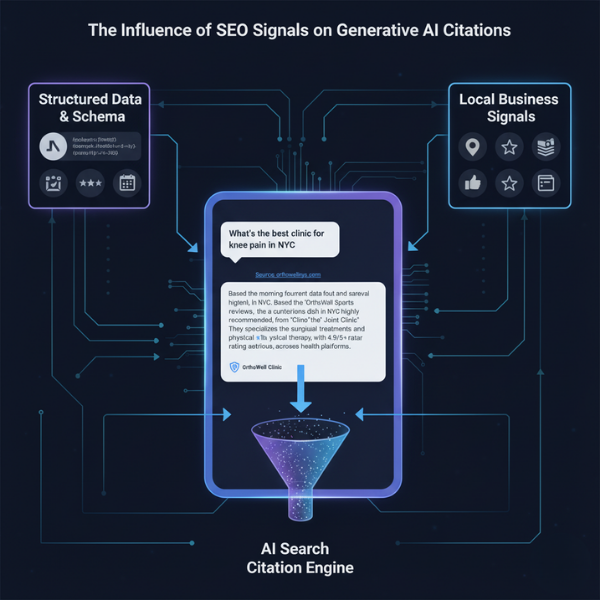
AI tools don’t browse your website like humans do. They read your data, understand your context, and decide whether your brand is credible enough to recommend.
That’s why GEO focuses on structured data, location depth, and semantic clarity. When AI looks for credible, local, and well-defined businesses, you want to be the one it picks up.
How We Apply GEO at Evolve Digital
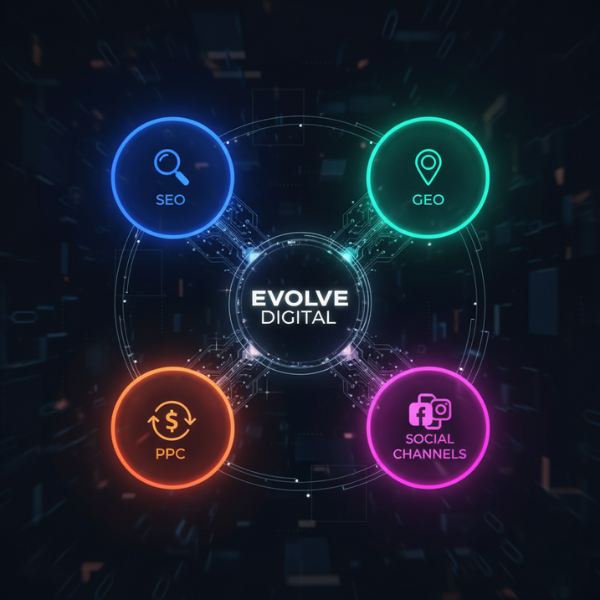
We’ve integrated GEO as part of our full-stack digital growth system. It’s not a separate add-on; it’s already built into how we work with clients who have multiple branches or clinics nationwide.
Here’s what we do:
- We start with data. We analyze how people ask AI about your service, then align your content to those real questions.
- We optimize your structure. From schema markup to brand entities, we make sure your business is machine-readable and human-trusted.
- We connect everything. Your website, Google Business profiles, paid ads, and social media all feed consistent signals that reinforce your authority.
- We track AI visibility. We monitor how often your brand is mentioned or referenced in generative engines and adjust our content strategy accordingly.
This fusion of Generative AI Optimization (GEO), SEO, and Hyper-Local Marketing ensures that your brand isn’t just ranked — it’s remembered.
About the Author
Casey Ordoña is the Founder and Head Strategist of Evolve Digital Media Consultancy, a multi-award-winning digital transformation and marketing agency operating in Singapore and the Philippines.
She has led multi-branch marketing strategies for healthcare and retail brands such as The Listening Lab, HearLife, and Active Hearing Center, focusing on data-driven growth, AI-ready optimization, and cross-channel visibility.
Her expertise bridges marketing analytics, AI integration, and human-centered strategy — helping brands grow smarter and stay discoverable in an evolving digital landscape.